At the very end of March, the House of Representatives passed a version of the bill known as Secure 2.0. The bill passed the House with overwhelming bipartisan support in a 414-5 vote. The House version still needs to pass in the Senate, where there are differing ideas on exactly what the bill should contain. There is strong support, so it is less of a question of if Secure 2.0 will become law than what exact version.
The Secure 2.0 bill in any version aims to help Americans save for retirement through a variety of mechanisms and changes in tax law. Here are some highlights of what the bill hopes to accomplish and how. We’ll also note differences between the House and Senate plans throughout.
Sign Up More Workers for Retirement Plans
One way the House version of the bill aims to help people save for retirement is to simply get them into a plan. The law would automatically enroll workers in 401(k), 403(b) and SIMPLE IRA retirement plans in their workplace; however, they can opt out. It’s been shown that most people simply won’t take action, meaning they won’t enroll if they have to proactively sign up – and similarly won’t opt out. The Senate version does not require auto enrollment, but it does give companies incentives to structure plans so that they auto enroll workers.
Auto enrollment in the House version starts at three percent contributions and increases yearly until participants are contributing 10 percent of their pay. Business with 10 or fewer employees are exempt.
Encourage Small Employers
Workplace retirement plans come with administrative, financial and legal burdens just to set up and offer the plan. This is before any type of employer contributions and is often a roadblock to small employers offering plans to their employees. To help encourage small employers, the bill offers a retirement plan start-up tax credit of 100 percent for the first three years to cover these costs.
Bigger Catch-Up Contributions
Right now, 401(k) plan catch-up contributions for workers 50 and older are capped at $6,500 for 401(k) plans. Both the House and Senate versions offer to increase these amounts, but in different ways.
The House version increases 401(k) catch-up contributions up to $10,000 for those 62, 63 or 64 starting in 2024. A more generous version is offered by the Senate, allowing the same $10,000 limit but to all who are 60 or older.
There is a “catch” to the catch-up, however. Under both versions, all catch-up contributions to 401(k) plans will be treated as Roth contributions; i.e., after tax contributions beginning in 2023. Currently, workers can make the contributions on either a pre-tax or post-tax (Roth) basis.
Push-Out Mandatory Required Distributions
The House version would extend the age for taking required minimum distributions (RMD) from retirements plans from 72 up to 75, incrementally over 3 years (73 in 2023, 74 in 2030 and 75 in 2033).
The Senate plan raises the age to 75 by 2032 and also waives RMDs entirely for those with less than $100,000 in aggregate retirement savings. It also reduces the penalty for not taking RMDs down to 25 percent (currently 50 percent).
Expand Employer Matching
The way the vast majority of retirement plans work is that employees contribute a portion of their salary and then the employer contributes a matching amount of 50 percent or 100 percent of what employee saves (up to a limit). The Secure 2.0 bill proposes to make student loan payments qualify as deferrals the same as plan contributions. This means that if you make student loan payments, your employer can now make a matching contribution to your retirement plan account even though you are not actually making any contributions into the plan itself. This is not a requirement, but an option for employers.
Create a Lost and Found for Retirement Plans
It’s common for workers to lose track of retirement plans from previous jobs when they move and change jobs. The bill would create a national lost and found to aid people in locating plans they may have inadvertently left behind or forgotten about.
Conclusion
In whatever form the final bill takes shape, it will give Americans more options to save for retirement and expand access to workplace plans.
Secure 2.0 Retirement Bill
May 1, 2022 · Blog, Tax and Financial News
⏱ 4 min read
At the very end of March, the House of Representatives passed a version of the bill known as Secure 2.0. The bill passed the House with overwhelming bipartisan support in a 414-5 vote. The House version still needs to pass in the Senate, where there are differing ideas on exactly what the bill should contain. There is strong support, so it is less of a question of if Secure 2.0 will become law than what exact version.
The Secure 2.0 bill in any version aims to help Americans save for retirement through a variety of mechanisms and changes in tax law. Here are some highlights of what the bill hopes to accomplish and how. We’ll also note differences between the House and Senate plans throughout.
Sign Up More Workers for Retirement Plans
One way the House version of the bill aims to help people save for retirement is to simply get them into a plan. The law would automatically enroll workers in 401(k), 403(b) and SIMPLE IRA retirement plans in their workplace; however, they can opt out. It’s been shown that most people simply won’t take action, meaning they won’t enroll if they have to proactively sign up – and similarly won’t opt out. The Senate version does not require auto enrollment, but it does give companies incentives to structure plans so that they auto enroll workers.
Auto enrollment in the House version starts at three percent contributions and increases yearly until participants are contributing 10 percent of their pay. Business with 10 or fewer employees are exempt.
Encourage Small Employers
Workplace retirement plans come with administrative, financial and legal burdens just to set up and offer the plan. This is before any type of employer contributions and is often a roadblock to small employers offering plans to their employees. To help encourage small employers, the bill offers a retirement plan start-up tax credit of 100 percent for the first three years to cover these costs.
Bigger Catch-Up Contributions
Right now, 401(k) plan catch-up contributions for workers 50 and older are capped at $6,500 for 401(k) plans. Both the House and Senate versions offer to increase these amounts, but in different ways.
The House version increases 401(k) catch-up contributions up to $10,000 for those 62, 63 or 64 starting in 2024. A more generous version is offered by the Senate, allowing the same $10,000 limit but to all who are 60 or older.
There is a “catch” to the catch-up, however. Under both versions, all catch-up contributions to 401(k) plans will be treated as Roth contributions; i.e., after tax contributions beginning in 2023. Currently, workers can make the contributions on either a pre-tax or post-tax (Roth) basis.
Push-Out Mandatory Required Distributions
The House version would extend the age for taking required minimum distributions (RMD) from retirements plans from 72 up to 75, incrementally over 3 years (73 in 2023, 74 in 2030 and 75 in 2033).
The Senate plan raises the age to 75 by 2032 and also waives RMDs entirely for those with less than $100,000 in aggregate retirement savings. It also reduces the penalty for not taking RMDs down to 25 percent (currently 50 percent).
Expand Employer Matching
The way the vast majority of retirement plans work is that employees contribute a portion of their salary and then the employer contributes a matching amount of 50 percent or 100 percent of what employee saves (up to a limit). The Secure 2.0 bill proposes to make student loan payments qualify as deferrals the same as plan contributions. This means that if you make student loan payments, your employer can now make a matching contribution to your retirement plan account even though you are not actually making any contributions into the plan itself. This is not a requirement, but an option for employers.
Create a Lost and Found for Retirement Plans
It’s common for workers to lose track of retirement plans from previous jobs when they move and change jobs. The bill would create a national lost and found to aid people in locating plans they may have inadvertently left behind or forgotten about.
Conclusion
In whatever form the final bill takes shape, it will give Americans more options to save for retirement and expand access to workplace plans.
Disclaimer
These articles provide general information on tax, accounting, and financial topics for small businesses and individuals. They are educational in nature and are not specific legal, accounting, financial, tax, or other professional advice, and should not be relied upon as such. This content was prepared by Service2Client and may have been reviewed or edited by the website owner for accuracy and compliance. Look for a trust mark below for verification details. No representation is made that any approach described will achieve a particular result, and no regulatory or professional body has reviewed or endorsed this content. Because each situation is different, readers should consult a qualified professional about their specific circumstances before acting. Images accompanying these articles are protected by copyright and may not be copied or reused.
Cybersecurity has become more important than ever, especially with the rise in cyberattacks. However, much focus is put on computers, laptops, servers, etc. Mobile phones and tablets seem to be overlooked when talking about cybersecurity.
Today smartphones are integrated into the modern workforce as driven by work at home and remote working. To enhance mobility, these devices are installed with business mobile applications that enable access to company systems. They enable users to conduct different activities on-the-go, such as banking, connecting to company networks, business transactions, and other social operations. However, this is raising concerns about the security of sensitive corporate data and other personal information stored on phones.
Despite these concerns, businesses continue to be lax on enforcing solid measures to protect company data and networks.
Since the phones have less protection than computers, they have become an easy target for cybercriminals who are using different methods to gain access to phones.
Security Threats to Mobile Devices
Phishing is one common attack vector that uses fake emails and text messages to trick users into clicking links that download malware onto a user’s smartphone. For instance, cybercriminals may use SMS to mimic legitimate companies and send messages that contain harmful links.
Recently, cybersecurity researchers cited a WhatsApp phishing campaign that attempts to lead WhatsApp users to install an information-stealing malware. The senders impersonate the WhatsApp notification service and send an email to a user claiming they have received a private voicemail. A user who is unaware of this ploy and clicks on the play button in the email will download malware onto their phone.
Attackers also take advantage of data leakage through malicious mobile apps. Users can get these apps by downloading fake versions of real apps, which are infected with malicious code that steals personal data stored on a phone.
Data can be stolen through legitimate solutions, as researchers found at the end of October 2021, when they discovered a banking trojan horse known as SharkBot in six phoneapps. These apps were designed as legitimate antivirus solutions. The malware could bypass multifactor authentication to steal credentials and banking information, and even transfer money. Although the six dangerous apps have since been deleted from the Google Play store, this goes to show that hackers do not tire of looking for ways to infiltrate mobile devices.
Mobile phones also are affected by web-based mobile security threats when users access affected sites that download malicious content onto a device.
Other security threats to phones include using unsecured public WiFi, lost or stolen mobile devices, mobile spyware, rooting malware and jailbroken phones that become more prone to attacks.
How to Keep Safe
Since phones are now primarily being used as business tools, business owners need to rethink their mobile strategies for both employer-provided devices and bring your own device (BYOD).
Businesses that deploy mobile device management (MDM) tools will block potentially harmful apps, automatically update software, and remotely wipe off data on stolen or lost phones.
Users are the weakest link in security issues; hence, a need for regular security risk-training on social engineering by learning how to differentiate suspicious emails and SMS messages. Users also need to learn to avoid downloading applications from third parties and other untrusted sources and use only authorized app stores. Furthermore, user training should include the dangers of public Wi-Fi, the importance of turning off a phone’s Wi-Fi when not using it, and locking the device with a strong password or biometrics, such as fingerprint detection.
Users also should avoid granting broad app permissions, especially for free apps that may be sending sensitive data to remote servers, where it can be used not only by advertisers but also by cybercriminals.
Keeping device operating systems and other software updated will reduce attack possibilities since cybercriminals use old bugs to hack devices.
It is important to install anti-malware and anti-virus programs on mobile devices since they now face the same threats as computers and laptops.
Businesses can introduce a mobile device policy that employees sign before accessing company resources on their devices or when receiving employer-provided devices. Such a policy includes the dos and don’ts of using phones.
Regular security testing is crucial for enterprise applications as it helps expose vulnerabilities in apps and especially those developed by third-party agencies to ensure the security meets required compliance guidelines.
Conclusion
Mobile phones now have capabilities similar to computers and store a lot of personal and sensitive data. As more devices access business systems, it creates more endpoints that put the business at risk of a data breach. Therefore, businesses of all sizes should take mobile security seriously through strong defensive measures, which can be enhanced with enterprise mobile security solutions.
Why Businesses Should Be Worried About Mobile Security and How to Keep Safe
May 1, 2022 · Blog, What's New in Technology
⏱ 4 min read
Cybersecurity has become more important than ever, especially with the rise in cyberattacks. However, much focus is put on computers, laptops, servers, etc. Mobile phones and tablets seem to be overlooked when talking about cybersecurity.
Today smartphones are integrated into the modern workforce as driven by work at home and remote working. To enhance mobility, these devices are installed with business mobile applications that enable access to company systems. They enable users to conduct different activities on-the-go, such as banking, connecting to company networks, business transactions, and other social operations. However, this is raising concerns about the security of sensitive corporate data and other personal information stored on phones.
Despite these concerns, businesses continue to be lax on enforcing solid measures to protect company data and networks.
Since the phones have less protection than computers, they have become an easy target for cybercriminals who are using different methods to gain access to phones.
Security Threats to Mobile Devices
Phishing is one common attack vector that uses fake emails and text messages to trick users into clicking links that download malware onto a user’s smartphone. For instance, cybercriminals may use SMS to mimic legitimate companies and send messages that contain harmful links.
Recently, cybersecurity researchers cited a WhatsApp phishing campaign that attempts to lead WhatsApp users to install an information-stealing malware. The senders impersonate the WhatsApp notification service and send an email to a user claiming they have received a private voicemail. A user who is unaware of this ploy and clicks on the play button in the email will download malware onto their phone.
Attackers also take advantage of data leakage through malicious mobile apps. Users can get these apps by downloading fake versions of real apps, which are infected with malicious code that steals personal data stored on a phone.
Data can be stolen through legitimate solutions, as researchers found at the end of October 2021, when they discovered a banking trojan horse known as SharkBot in six phoneapps. These apps were designed as legitimate antivirus solutions. The malware could bypass multifactor authentication to steal credentials and banking information, and even transfer money. Although the six dangerous apps have since been deleted from the Google Play store, this goes to show that hackers do not tire of looking for ways to infiltrate mobile devices.
Mobile phones also are affected by web-based mobile security threats when users access affected sites that download malicious content onto a device.
Other security threats to phones include using unsecured public WiFi, lost or stolen mobile devices, mobile spyware, rooting malware and jailbroken phones that become more prone to attacks.
How to Keep Safe
Since phones are now primarily being used as business tools, business owners need to rethink their mobile strategies for both employer-provided devices and bring your own device (BYOD).
Businesses that deploy mobile device management (MDM) tools will block potentially harmful apps, automatically update software, and remotely wipe off data on stolen or lost phones.
Users are the weakest link in security issues; hence, a need for regular security risk-training on social engineering by learning how to differentiate suspicious emails and SMS messages. Users also need to learn to avoid downloading applications from third parties and other untrusted sources and use only authorized app stores. Furthermore, user training should include the dangers of public Wi-Fi, the importance of turning off a phone’s Wi-Fi when not using it, and locking the device with a strong password or biometrics, such as fingerprint detection.
Users also should avoid granting broad app permissions, especially for free apps that may be sending sensitive data to remote servers, where it can be used not only by advertisers but also by cybercriminals.
Keeping device operating systems and other software updated will reduce attack possibilities since cybercriminals use old bugs to hack devices.
It is important to install anti-malware and anti-virus programs on mobile devices since they now face the same threats as computers and laptops.
Businesses can introduce a mobile device policy that employees sign before accessing company resources on their devices or when receiving employer-provided devices. Such a policy includes the dos and don’ts of using phones.
Regular security testing is crucial for enterprise applications as it helps expose vulnerabilities in apps and especially those developed by third-party agencies to ensure the security meets required compliance guidelines.
Conclusion
Mobile phones now have capabilities similar to computers and store a lot of personal and sensitive data. As more devices access business systems, it creates more endpoints that put the business at risk of a data breach. Therefore, businesses of all sizes should take mobile security seriously through strong defensive measures, which can be enhanced with enterprise mobile security solutions.
Disclaimer
These articles provide general information on tax, accounting, and financial topics for small businesses and individuals. They are educational in nature and are not specific legal, accounting, financial, tax, or other professional advice, and should not be relied upon as such. This content was prepared by Service2Client and may have been reviewed or edited by the website owner for accuracy and compliance. Look for a trust mark below for verification details. No representation is made that any approach described will achieve a particular result, and no regulatory or professional body has reviewed or endorsed this content. Because each situation is different, readers should consult a qualified professional about their specific circumstances before acting. Images accompanying these articles are protected by copyright and may not be copied or reused.
Starting in 2020, new legislation increased the age to begin Required Minimum Distributions (RMDs) from 70½ to 72. More recently, the IRS updated the Uniform Life Table for alignment with longer life expectancies. Note that it takes years for actuaries to work up new data for this table, and the recent changes do not reflect the downturn in life expectancies resulting from the pandemic. These updates were established pre-pandemic and scheduled to take effect in 2022.
The good news is that retirees who prefer not to withdraw from their retirement portfolios now have a couple more years of growth opportunity before they are forced to take distributions.
Because retirement portfolios fluctuate based on market performance, and your life expectancy changes with each year you continue to live, your RMD amount also changes each year. To calculate your annual RMD, you need your retirement plan’s previous year-end account balance and the most updated Uniform Life Table. To determine the correct amount, divide the year-end value by the estimated remaining years of your lifetime, based on your age on Dec. 31. This is the formula: Account balance ÷ Life expectancy factor = RMD.
The new Uniform Life Table is updated with a longer average life expectancy than the prior table, so the divisors have increased. This means that the amount required to be withdrawn is now reduced from what would have been required under the previous table.
The following are some guidelines to keep in mind when calculating, withdrawing and managing your required minimum distributions.
Once you reach age 72, you have until March 31 of the following year to take your first RMD. After that, RMDs must be withdrawn before Dec. 31.
An annual RMD may be taken as a lump sum, on as-needed basis or as regularly scheduled payouts.
Consider that if you delay taking the distribution until the end of the year, your portfolio has more time to grow tax-deferred before you reduce the balance.
As long as you don’t own more than 5 percent of the company you work for, you may delay taking RMDs from the retirement plan sponsored by your current employer as long as you continue working and contributing to the account. RMDs are not compulsory from that account until you stop working.
If you have multiple IRAs, including SEP and SIMPLE IRAs, you can withdraw the combined RMD amount from just one account (or any combination thereof).
If you have multiple 403(b) accounts, you can withdraw the combined RMD amount from just one account (or any combination thereof).
However, if you have multiple 401(k) accounts, you must withdraw RMDs from each account starting at age 72.
Married couples may not combine their RMDs and withdraw them from one account.
RMDs from an inherited IRA also may not be aggregated unless they were inherited from the same decedent.
You do not have to take an RMD from a Roth IRA because the original contributions were already taxed.
In the year you first quality for an RMD, it may not be a good to wait until March 31 of the following year to take it because you’ll have to take your second RMD by Dec. 31 of that same year. Two RMDs in one year could yield a substantially higher tax bill.
New Required Minimum Distribution Rules for 2022
May 1, 2022 · Blog, Financial Planning
⏱ 3 min read
Starting in 2020, new legislation increased the age to begin Required Minimum Distributions (RMDs) from 70½ to 72. More recently, the IRS updated the Uniform Life Table for alignment with longer life expectancies. Note that it takes years for actuaries to work up new data for this table, and the recent changes do not reflect the downturn in life expectancies resulting from the pandemic. These updates were established pre-pandemic and scheduled to take effect in 2022.
The good news is that retirees who prefer not to withdraw from their retirement portfolios now have a couple more years of growth opportunity before they are forced to take distributions.
Because retirement portfolios fluctuate based on market performance, and your life expectancy changes with each year you continue to live, your RMD amount also changes each year. To calculate your annual RMD, you need your retirement plan’s previous year-end account balance and the most updated Uniform Life Table. To determine the correct amount, divide the year-end value by the estimated remaining years of your lifetime, based on your age on Dec. 31. This is the formula: Account balance ÷ Life expectancy factor = RMD.
The new Uniform Life Table is updated with a longer average life expectancy than the prior table, so the divisors have increased. This means that the amount required to be withdrawn is now reduced from what would have been required under the previous table.
The following are some guidelines to keep in mind when calculating, withdrawing and managing your required minimum distributions.
Once you reach age 72, you have until March 31 of the following year to take your first RMD. After that, RMDs must be withdrawn before Dec. 31.
An annual RMD may be taken as a lump sum, on as-needed basis or as regularly scheduled payouts.
Consider that if you delay taking the distribution until the end of the year, your portfolio has more time to grow tax-deferred before you reduce the balance.
As long as you don’t own more than 5 percent of the company you work for, you may delay taking RMDs from the retirement plan sponsored by your current employer as long as you continue working and contributing to the account. RMDs are not compulsory from that account until you stop working.
If you have multiple IRAs, including SEP and SIMPLE IRAs, you can withdraw the combined RMD amount from just one account (or any combination thereof).
If you have multiple 403(b) accounts, you can withdraw the combined RMD amount from just one account (or any combination thereof).
However, if you have multiple 401(k) accounts, you must withdraw RMDs from each account starting at age 72.
Married couples may not combine their RMDs and withdraw them from one account.
RMDs from an inherited IRA also may not be aggregated unless they were inherited from the same decedent.
You do not have to take an RMD from a Roth IRA because the original contributions were already taxed.
In the year you first quality for an RMD, it may not be a good to wait until March 31 of the following year to take it because you’ll have to take your second RMD by Dec. 31 of that same year. Two RMDs in one year could yield a substantially higher tax bill.
Disclaimer
These articles provide general information on tax, accounting, and financial topics for small businesses and individuals. They are educational in nature and are not specific legal, accounting, financial, tax, or other professional advice, and should not be relied upon as such. This content was prepared by Service2Client and may have been reviewed or edited by the website owner for accuracy and compliance. Look for a trust mark below for verification details. No representation is made that any approach described will achieve a particular result, and no regulatory or professional body has reviewed or endorsed this content. Because each situation is different, readers should consult a qualified professional about their specific circumstances before acting. Images accompanying these articles are protected by copyright and may not be copied or reused.
According to the U.S. Small Business Administration and Project Equality, 60 percent of business owners plan to cash out of the business in the next 10 years. For the baby boomer generation, it’s especially important as they contemplate retirement, with this generation reportedly owning 2.3 million businesses. When it comes to getting a business ready for sale, there are many components to review and get organized before looking for prospective buyers.
The first thing owners looking to sell their business are being asked is why they’re selling. This may occur for many reasons – voluntary or not. Some people are looking to retire, while others might be looking to exit their business because things soured with partners. These are just some of the reasons why business owners or partners want to sell their business or stake in a company. Entrepreneur magazine says there are “three ways to leave a business – sell it, merge it or close it.”
According to Entrepreneur magazine, there are many considerations for business owners when they are contemplating selling. For profitable companies, it’s more often due to choosing to sell, but not always. When there’s the desire to sell a business, if the owners can show potential purchasers some or all of the following, chances are it will sell sooner than later and for a fair price: growing income, profitability, and a customer base, along with a business plan and product/services with long-term potential.
Another consideration is timing of the sale. Ideally, getting the business’ house in order will benefit both the seller and the buyer. With this in mind, it’s important to have a few backup buyers in case the first deal falls through. One reason a deal may fall through is because the buyer didn’t qualify for financing before the sales process got serious. This planning can give the business owner and potential buyers time to review, audit and organize financial records; review and determine the business structure; and determine and analyze the business’ customer base. This review and organization will be able to help the new buyer maintain business continuity, if they decide to purchase the business.
The next step is to get documents in order. Organize the cash flow statement, balance sheet and income statements, along with tax returns from the past few years. It’s important to inventory all equipment, intellectual property, trade secrets, etc. to see what can be sold and transferred and verify the current market value of each. Taking stock of both sales records and suppliers, and getting contact information for both will help make a sale more likely. Depending on if the information is proprietary or not, it’s important to have this ready to share, under confidentiality, with potential buyers. An operating manual and a general overview of the business are also necessary in order to show the company’s presence clean and repaired.
Another consideration is how business assets that aren’t so easy to touch will be valued. According to the American Bar Association, goodwill is an intangible asset, such as reputation, along with intellectual property like trademark. The New York State Society of CPAs’ (NYSSCPA) publication, The CPA Journal, reports that goodwill has an indefinite life, and one way to see if it meets the test of being goodwill is if it “is inseparable from the business.”
Another consideration when selling a business is to see its recent cash flow and to calculate it properly for potential buyers. According to the NYSSCPA and the Statement of Financial Accounting Standards (SAFS) 95, cash flow from operating activities (CFO), per the SFAS 95’s statement of cash flow (SCF), is calculated by starting with the net loss or income and then factoring in differences in working capital and non-cash sales.
Once the CFO is calculated, this figure shows how much the business earns from its operating activities, as the name implies. It’s important to see how this figure differs from investing or financing operations that may be ancillary to the company’s irregular financials. Once this information is known, it gives potential buyers an accurate assessment of the company they are buying to see if they’re comfortable with the existing business. Showing a business that’s doing well can help attract buyers at a fair price.
While each business is different and the reasons for exiting it vary, understanding what potential buyers are looking for can increase the chances of a fast sale at a fair price for both seller and buyer.
According to the U.S. Small Business Administration and Project Equality, 60 percent of business owners plan to cash out of the business in the next 10 years. For the baby boomer generation, it’s especially important as they contemplate retirement, with this generation reportedly owning 2.3 million businesses. When it comes to getting a business ready for sale, there are many components to review and get organized before looking for prospective buyers.
The first thing owners looking to sell their business are being asked is why they’re selling. This may occur for many reasons – voluntary or not. Some people are looking to retire, while others might be looking to exit their business because things soured with partners. These are just some of the reasons why business owners or partners want to sell their business or stake in a company. Entrepreneur magazine says there are “three ways to leave a business – sell it, merge it or close it.”
According to Entrepreneur magazine, there are many considerations for business owners when they are contemplating selling. For profitable companies, it’s more often due to choosing to sell, but not always. When there’s the desire to sell a business, if the owners can show potential purchasers some or all of the following, chances are it will sell sooner than later and for a fair price: growing income, profitability, and a customer base, along with a business plan and product/services with long-term potential.
Another consideration is timing of the sale. Ideally, getting the business’ house in order will benefit both the seller and the buyer. With this in mind, it’s important to have a few backup buyers in case the first deal falls through. One reason a deal may fall through is because the buyer didn’t qualify for financing before the sales process got serious. This planning can give the business owner and potential buyers time to review, audit and organize financial records; review and determine the business structure; and determine and analyze the business’ customer base. This review and organization will be able to help the new buyer maintain business continuity, if they decide to purchase the business.
The next step is to get documents in order. Organize the cash flow statement, balance sheet and income statements, along with tax returns from the past few years. It’s important to inventory all equipment, intellectual property, trade secrets, etc. to see what can be sold and transferred and verify the current market value of each. Taking stock of both sales records and suppliers, and getting contact information for both will help make a sale more likely. Depending on if the information is proprietary or not, it’s important to have this ready to share, under confidentiality, with potential buyers. An operating manual and a general overview of the business are also necessary in order to show the company’s presence clean and repaired.
Another consideration is how business assets that aren’t so easy to touch will be valued. According to the American Bar Association, goodwill is an intangible asset, such as reputation, along with intellectual property like trademark. The New York State Society of CPAs’ (NYSSCPA) publication, The CPA Journal, reports that goodwill has an indefinite life, and one way to see if it meets the test of being goodwill is if it “is inseparable from the business.”
Another consideration when selling a business is to see its recent cash flow and to calculate it properly for potential buyers. According to the NYSSCPA and the Statement of Financial Accounting Standards (SAFS) 95, cash flow from operating activities (CFO), per the SFAS 95’s statement of cash flow (SCF), is calculated by starting with the net loss or income and then factoring in differences in working capital and non-cash sales.
Once the CFO is calculated, this figure shows how much the business earns from its operating activities, as the name implies. It’s important to see how this figure differs from investing or financing operations that may be ancillary to the company’s irregular financials. Once this information is known, it gives potential buyers an accurate assessment of the company they are buying to see if they’re comfortable with the existing business. Showing a business that’s doing well can help attract buyers at a fair price.
While each business is different and the reasons for exiting it vary, understanding what potential buyers are looking for can increase the chances of a fast sale at a fair price for both seller and buyer.
These articles provide general information on tax, accounting, and financial topics for small businesses and individuals. They are educational in nature and are not specific legal, accounting, financial, tax, or other professional advice, and should not be relied upon as such. This content was prepared by Service2Client and may have been reviewed or edited by the website owner for accuracy and compliance. Look for a trust mark below for verification details. No representation is made that any approach described will achieve a particular result, and no regulatory or professional body has reviewed or endorsed this content. Because each situation is different, readers should consult a qualified professional about their specific circumstances before acting. Images accompanying these articles are protected by copyright and may not be copied or reused.
The IRS is currently suffering a severe backlog in processing returns from 2021 for the 2020 tax year. As of Dec. 31, there were still more than 6 million unprocessed individual returns with notices and pending refunds. There are a few things every taxpayer should know that can help them navigate any delays in filing or speeding up the process to make filing this year as smooth as possible.
Pass on the Paper
Nothing speeds up the process like electronic filing. Despite the uptick in electronic filing over recent years, the agency is still buried in paper, receiving almost 17 million paper filings last year.
When filing electronically, there’s a good chance you’ll see your refund within 21 days of acceptance. Just make sure you keep track of your submission and that it is accepted and not bounced back.
Validate Your Return Properly
To file electronically and have your return accepted, you’ll need to validate your return with last year’s adjusted gross income. As simple as this sounds, it’s not as easy as looking at last year’s return if your 2020 filing is still pending. In this case, you’ll need to enter $0 for your 2020 AGI or the agency may reject the filing.
Reconcile Your Child Tax Credits and Stimulus Payments
Returns with innocuous errors are one of the biggest causes of notices and held-up returns. Simple mistakes or the careless compilation of a return can cause matching errors and throw a wrench in the processing of a return, with two issues being prone for the average taxpayer: the advance child tax credits and stimulus payments.
Taxpayers should pay extra attention to and double-check these areas of their returns to avoid delays. While taxpayers may receive a Letter 6419 for child tax credits or 6475 for stimulus checks, it’s still a good idea to verify your payments for these two areas online for the best accuracy.
Another snafu that can arise is for married couples filing jointly. You may each receive separate letters showing only half of your total payments. Make sure you verify and report the total amount in these cases. Remember that avoiding math errors can save a lot of time and headaches later.
New Questions on Page #1 – “Virtual Currency”
More and more taxpayers are also owners of some type of cryptocurrency. If you are one of them, then this year, for the first time, you’ll need to answer a new “stand-out” question on page one of your tax return.
There is now a simple yes or no question on the front of every Form 1040, asking if you received, sold, or exchanged any cryptocurrency.
Your answer should be “Yes” if you staked, sold, exchanged, mined, or used crypto to purchase goods or services in 2021. If you only purchased cryptocurrencies and held them, then you should make sure you check “No.”
A “Yes” here is a flag to the IRS and they’ll be looking for you to report income from staking and mining or gains or losses on Schedule D. It can also fast track your return to the manual review pile, adding further delay to processing your return. But remember, that’s no reason to not answer truthfully.
Taxing Saturdays
Reaching the IRS via phone is notoriously difficult (which is why having a CPA prepare your taxes can be more than worth it). Average wait times are exceeding 23 minutes. In response, the IRS is adding monthly walk-in hours on select Saturdays at certain Taxpayer Assistance Centers, starting on Feb. 12.
To access this service, you’ll need government-issued photo identification, a Social Security card or your Individual Taxpayer Identification Number, and any IRS letters or notices. If you are filing on your own, this can help clear up issues; but remember, it’s best to use a paid preparer. They can handle both administrative issues and offer their expertise.
Conclusion
The IRS has a huge backlog of returns with issues, often resulting from simple avoidable problems such as “math errors” or paper filing. Do yourself a favor and follow the advice in this article to make this year less “taxing” on everyone.
What Every Taxpayer Needs to Know This Season
April 1, 2022 · Blog, Tax and Financial News
⏱ 4 min read
The IRS is currently suffering a severe backlog in processing returns from 2021 for the 2020 tax year. As of Dec. 31, there were still more than 6 million unprocessed individual returns with notices and pending refunds. There are a few things every taxpayer should know that can help them navigate any delays in filing or speeding up the process to make filing this year as smooth as possible.
Pass on the Paper
Nothing speeds up the process like electronic filing. Despite the uptick in electronic filing over recent years, the agency is still buried in paper, receiving almost 17 million paper filings last year.
When filing electronically, there’s a good chance you’ll see your refund within 21 days of acceptance. Just make sure you keep track of your submission and that it is accepted and not bounced back.
Validate Your Return Properly
To file electronically and have your return accepted, you’ll need to validate your return with last year’s adjusted gross income. As simple as this sounds, it’s not as easy as looking at last year’s return if your 2020 filing is still pending. In this case, you’ll need to enter $0 for your 2020 AGI or the agency may reject the filing.
Reconcile Your Child Tax Credits and Stimulus Payments
Returns with innocuous errors are one of the biggest causes of notices and held-up returns. Simple mistakes or the careless compilation of a return can cause matching errors and throw a wrench in the processing of a return, with two issues being prone for the average taxpayer: the advance child tax credits and stimulus payments.
Taxpayers should pay extra attention to and double-check these areas of their returns to avoid delays. While taxpayers may receive a Letter 6419 for child tax credits or 6475 for stimulus checks, it’s still a good idea to verify your payments for these two areas online for the best accuracy.
Another snafu that can arise is for married couples filing jointly. You may each receive separate letters showing only half of your total payments. Make sure you verify and report the total amount in these cases. Remember that avoiding math errors can save a lot of time and headaches later.
New Questions on Page #1 – “Virtual Currency”
More and more taxpayers are also owners of some type of cryptocurrency. If you are one of them, then this year, for the first time, you’ll need to answer a new “stand-out” question on page one of your tax return.
There is now a simple yes or no question on the front of every Form 1040, asking if you received, sold, or exchanged any cryptocurrency.
Your answer should be “Yes” if you staked, sold, exchanged, mined, or used crypto to purchase goods or services in 2021. If you only purchased cryptocurrencies and held them, then you should make sure you check “No.”
A “Yes” here is a flag to the IRS and they’ll be looking for you to report income from staking and mining or gains or losses on Schedule D. It can also fast track your return to the manual review pile, adding further delay to processing your return. But remember, that’s no reason to not answer truthfully.
Taxing Saturdays
Reaching the IRS via phone is notoriously difficult (which is why having a CPA prepare your taxes can be more than worth it). Average wait times are exceeding 23 minutes. In response, the IRS is adding monthly walk-in hours on select Saturdays at certain Taxpayer Assistance Centers, starting on Feb. 12.
To access this service, you’ll need government-issued photo identification, a Social Security card or your Individual Taxpayer Identification Number, and any IRS letters or notices. If you are filing on your own, this can help clear up issues; but remember, it’s best to use a paid preparer. They can handle both administrative issues and offer their expertise.
Conclusion
The IRS has a huge backlog of returns with issues, often resulting from simple avoidable problems such as “math errors” or paper filing. Do yourself a favor and follow the advice in this article to make this year less “taxing” on everyone.
Disclaimer
These articles provide general information on tax, accounting, and financial topics for small businesses and individuals. They are educational in nature and are not specific legal, accounting, financial, tax, or other professional advice, and should not be relied upon as such. This content was prepared by Service2Client and may have been reviewed or edited by the website owner for accuracy and compliance. Look for a trust mark below for verification details. No representation is made that any approach described will achieve a particular result, and no regulatory or professional body has reviewed or endorsed this content. Because each situation is different, readers should consult a qualified professional about their specific circumstances before acting. Images accompanying these articles are protected by copyright and may not be copied or reused.
If you really want to make impact in your new grad’s life, make an investment in his or her future with a 529 College Savings account. There are two versions: an investment account and a prepaid account. Assuming you are opening an account now and don’t have time for investment growth, you may need to fund it with a significant chunk of money for it to be useful. The savings plan is good for building an investment balance over time, including while the student is in college. On the other hand, the prepaid option is a good way to reinvest a windfall – such as an inheritance or proceeds from the sale of property.
A 529 College Savings Plan allows the account owner to open, fund, choose the investments and name the account beneficiary – yet you still retain control of the assets. Be aware that contributions do not qualify for a federal tax deduction, but more than 30 states allow a limited tax deduction or credit. While earnings and withdrawals used for qualified education expenses are not taxed at the federal level, there are a handful of states that do impose state taxes.
However, because you – the giver – retain control of the account, you can be assured that the money won’t be wasted on a trip to Cancun or a gap year backpacking through Europe. You determine when, how much and what distributions are used for. If you’re not happy with the student’s choices, you can change the beneficiary to someone else or keep it for yourself.
Gift Strategies for Retirees
There is generally no annual contribution limit to a 529 plan, but the total amount in a beneficiary’s account may not exceed the balance limit determined by each state. 529s are state-sponsored, but most states let non-residents open a plan. In addition, some states allow anyone who contributes to a 529 plan to take a state tax deduction. This way you also can invite friends and family to enjoy a tax deduction while contributing to the account for one big, combined graduation gift.
In 2022, you can contribute up to $16,000 per beneficiary ($32,000 per married couple) to a 529 plan without having to file a gift-tax return. However, if you want to stockpile the account for a big splash on graduation day, the IRS allows you to frontload up to five years’ donations in one year (up to $80,000; $160,000 for a married couple) outside the gift tax limit, although no other gifts can be made to the same beneficiary over the next five years. In this case, you must make the required election on a gift tax return that year to be allocated over five years. This five-year front-loading approach can be an effective estate planning strategy to remove assets from your taxable estate, yet retain control over them.
You also can maximize your gift by making it a two-for-one. In other words, gift it to your high school grad, then keep funding it during his university years. Any leftover balance can be his college graduation gift if he’s planning to go to law school or get an MBA. If not, you always have the option to keep the balance or gift it to him anyway – although proceeds not used for education expenses will be subject to taxes on earnings and a 10 percent penalty.
Student’s Choice
The 2019 SECURE Act enhanced the College 529 plan with additional options. Your new graduate can now use the money to pay for expenses associated with a registered apprenticeship program, or use up to $10,000 to repay student loans. Note that if proceeds are used to pay student loans, the loan interest cannot be used as a deduction that tax year.
The 529 gives your new graduate the option of how and when to use the funds. After all, the pandemic has thrown many young adults off course in different ways. Some are opting to go straight into the job market without a degree, while others are taking a gap year or two to get a feel for what type of career they want to pursue. With the College Savings investment plan, your contributions have the opportunity to grow tax-deferred indefinitely. Some states place time or age limits on the use of a prepaid plan. However, you can always retrieve unused assets from a 529 (subject to earnings and penalty taxes), so they are not lost by any means.
Give a College Savings 529 Plan For Graduation
April 1, 2022 · Blog, Financial Planning
⏱ 4 min read
If you really want to make impact in your new grad’s life, make an investment in his or her future with a 529 College Savings account. There are two versions: an investment account and a prepaid account. Assuming you are opening an account now and don’t have time for investment growth, you may need to fund it with a significant chunk of money for it to be useful. The savings plan is good for building an investment balance over time, including while the student is in college. On the other hand, the prepaid option is a good way to reinvest a windfall – such as an inheritance or proceeds from the sale of property.
A 529 College Savings Plan allows the account owner to open, fund, choose the investments and name the account beneficiary – yet you still retain control of the assets. Be aware that contributions do not qualify for a federal tax deduction, but more than 30 states allow a limited tax deduction or credit. While earnings and withdrawals used for qualified education expenses are not taxed at the federal level, there are a handful of states that do impose state taxes.
However, because you – the giver – retain control of the account, you can be assured that the money won’t be wasted on a trip to Cancun or a gap year backpacking through Europe. You determine when, how much and what distributions are used for. If you’re not happy with the student’s choices, you can change the beneficiary to someone else or keep it for yourself.
Gift Strategies for Retirees
There is generally no annual contribution limit to a 529 plan, but the total amount in a beneficiary’s account may not exceed the balance limit determined by each state. 529s are state-sponsored, but most states let non-residents open a plan. In addition, some states allow anyone who contributes to a 529 plan to take a state tax deduction. This way you also can invite friends and family to enjoy a tax deduction while contributing to the account for one big, combined graduation gift.
In 2022, you can contribute up to $16,000 per beneficiary ($32,000 per married couple) to a 529 plan without having to file a gift-tax return. However, if you want to stockpile the account for a big splash on graduation day, the IRS allows you to frontload up to five years’ donations in one year (up to $80,000; $160,000 for a married couple) outside the gift tax limit, although no other gifts can be made to the same beneficiary over the next five years. In this case, you must make the required election on a gift tax return that year to be allocated over five years. This five-year front-loading approach can be an effective estate planning strategy to remove assets from your taxable estate, yet retain control over them.
You also can maximize your gift by making it a two-for-one. In other words, gift it to your high school grad, then keep funding it during his university years. Any leftover balance can be his college graduation gift if he’s planning to go to law school or get an MBA. If not, you always have the option to keep the balance or gift it to him anyway – although proceeds not used for education expenses will be subject to taxes on earnings and a 10 percent penalty.
Student’s Choice
The 2019 SECURE Act enhanced the College 529 plan with additional options. Your new graduate can now use the money to pay for expenses associated with a registered apprenticeship program, or use up to $10,000 to repay student loans. Note that if proceeds are used to pay student loans, the loan interest cannot be used as a deduction that tax year.
The 529 gives your new graduate the option of how and when to use the funds. After all, the pandemic has thrown many young adults off course in different ways. Some are opting to go straight into the job market without a degree, while others are taking a gap year or two to get a feel for what type of career they want to pursue. With the College Savings investment plan, your contributions have the opportunity to grow tax-deferred indefinitely. Some states place time or age limits on the use of a prepaid plan. However, you can always retrieve unused assets from a 529 (subject to earnings and penalty taxes), so they are not lost by any means.
Disclaimer
These articles provide general information on tax, accounting, and financial topics for small businesses and individuals. They are educational in nature and are not specific legal, accounting, financial, tax, or other professional advice, and should not be relied upon as such. This content was prepared by Service2Client and may have been reviewed or edited by the website owner for accuracy and compliance. Look for a trust mark below for verification details. No representation is made that any approach described will achieve a particular result, and no regulatory or professional body has reviewed or endorsed this content. Because each situation is different, readers should consult a qualified professional about their specific circumstances before acting. Images accompanying these articles are protected by copyright and may not be copied or reused.
Consolidated Appropriations Act, 2022 (HR 2471) – This legislation will fund the federal government through September 2022, but also includes a plethora of other bills folded within for the purpose of quick passage by both the House and Senate. Among them is the reauthorization of the Violence Against Women Act and the allocation of $13.6 billion in additional aid to support Ukraine in its conflict against Russia. The bill was signed into law by President Biden on March 15.
STANDUP Act of 2021 (S 1543) – STANDUP is the anacronym for Suicide Training and Awareness Nationally Delivered for Universal Prevention. It authorizes the Department of Health and Human Services (HHS) to give preference to state, tribal and local educational agencies when awarding certain grants for priority mental health needs. Specifically, plans must include evidence-based suicide awareness and prevention training policies. The bill was introduced by Sen. Maggie Hassan (D-NH) on May 10, 2021. It passed in the Senate on Dec. 14, 2021, the House on Feb. 28 and was signed by the president on March 15.
Suspending Energy Imports from Russia Act(HR 6968) – This bill was introduced by Rep. Lloyd Doggett (D-TX) on March 8. It is the bill that bans the import of Russian oil in response to the country’s invasion of Ukraine. The act also gives the president permanent authorization to impose visa- and property-blocking sanctions based on violations of human rights. In addition to oil, the act blocks importation of other Russian products such as mineral fuels, mineral oils and products of their distillation, bituminous substances and mineral waxes, with the exception of prior contracts or agreements. Subject to congressional approval, the president may waive this prohibition for national interest reasons. The bill also takes initial steps to suspend Russia’s participation in the World Trade Organization. The legislation passed in the House on March 9 and is currently under consideration in the Senate.
Sunshine Protection Act of 2021 (S 623) – The purpose of this legislation is to make daylight savings time the new, permanent standard time. The bill states the change would begin on Nov. 5, 2023, in order to give airlines and other industries time to adjust their schedules and processes. States that currently contain areas exempt from daylight savings time will have the option to choose standard time for those areas. The bill was introduced by Sen. Marco Rubio (R-FL) on March 9 and passed in the Senate on March 15. It is currently under consideration in the House.
Postal Service Reform Act of 2022 (HR 3076) – This bipartisan act was introduced by Rep. Carloyn Maloney (D-NY) on May 11, 2021. It passed in the House on Feb. 8, the Senate on March 15 and is awaiting the president’s signature to become law. The bill will repeal the annual prepayment requirement for future retirement health benefits; establish a Postal Service Health Benefits Program to offer health benefit plans for USPS employees and retirees; coordinate enrollment for retirees under this program and Medicare; and develop a publicly available dashboard that tracks service performance and reports on USPS operations and financial conditions.
Emmett Till Antilynching Act (HR 55) – This act was introduced by Rep. Bobby Rush (D-IL) on Jan. 4, 2021. This act designates lynching as a federal hate crime, and imposes the criminal penalties of a fine, a prison term of up to 30 years, or both. It applies to anyone who conspires to commit a hate crime offense that results in death or serious bodily injury; kidnapping or an attempt to kidnap; aggravated sexual abuse or an attempt to commit aggravated sexual abuse; or an attempt to kill. The bill passed in the House on Feb. 28 and the Senate on March 7. It is awaiting the president’s signature to become law.
A joint resolution providing for congressional disapproval under chapter 8 of title 5, United States Code, of the rule submitted by Centers for Disease Control and Prevention relating to “Requirement for Persons To Wear Masks While on Conveyances and at Transportation Hubs” (SJRes 37) – The purpose of this joint resolution is to nullify the CDC rule issued in February 2021 to require face masks on planes, trains, buses, and other public transportation systems and hubs in order to prevent the transmission of COVID-19. It was introduced by Sen. Rand Paul (R-KY) on Feb. 10 and passed in the Senate on March 15. It is currently in the House for consideration.
Banning Masks, Banning Russian Oil, Making Lynching a Federal Hate Crime and Saving Sunshine
April 1, 2022 · Blog, Congress at Work
⏱ 4 min read
Consolidated Appropriations Act, 2022 (HR 2471) – This legislation will fund the federal government through September 2022, but also includes a plethora of other bills folded within for the purpose of quick passage by both the House and Senate. Among them is the reauthorization of the Violence Against Women Act and the allocation of $13.6 billion in additional aid to support Ukraine in its conflict against Russia. The bill was signed into law by President Biden on March 15.
STANDUP Act of 2021 (S 1543) – STANDUP is the anacronym for Suicide Training and Awareness Nationally Delivered for Universal Prevention. It authorizes the Department of Health and Human Services (HHS) to give preference to state, tribal and local educational agencies when awarding certain grants for priority mental health needs. Specifically, plans must include evidence-based suicide awareness and prevention training policies. The bill was introduced by Sen. Maggie Hassan (D-NH) on May 10, 2021. It passed in the Senate on Dec. 14, 2021, the House on Feb. 28 and was signed by the president on March 15.
Suspending Energy Imports from Russia Act(HR 6968) – This bill was introduced by Rep. Lloyd Doggett (D-TX) on March 8. It is the bill that bans the import of Russian oil in response to the country’s invasion of Ukraine. The act also gives the president permanent authorization to impose visa- and property-blocking sanctions based on violations of human rights. In addition to oil, the act blocks importation of other Russian products such as mineral fuels, mineral oils and products of their distillation, bituminous substances and mineral waxes, with the exception of prior contracts or agreements. Subject to congressional approval, the president may waive this prohibition for national interest reasons. The bill also takes initial steps to suspend Russia’s participation in the World Trade Organization. The legislation passed in the House on March 9 and is currently under consideration in the Senate.
Sunshine Protection Act of 2021 (S 623) – The purpose of this legislation is to make daylight savings time the new, permanent standard time. The bill states the change would begin on Nov. 5, 2023, in order to give airlines and other industries time to adjust their schedules and processes. States that currently contain areas exempt from daylight savings time will have the option to choose standard time for those areas. The bill was introduced by Sen. Marco Rubio (R-FL) on March 9 and passed in the Senate on March 15. It is currently under consideration in the House.
Postal Service Reform Act of 2022 (HR 3076) – This bipartisan act was introduced by Rep. Carloyn Maloney (D-NY) on May 11, 2021. It passed in the House on Feb. 8, the Senate on March 15 and is awaiting the president’s signature to become law. The bill will repeal the annual prepayment requirement for future retirement health benefits; establish a Postal Service Health Benefits Program to offer health benefit plans for USPS employees and retirees; coordinate enrollment for retirees under this program and Medicare; and develop a publicly available dashboard that tracks service performance and reports on USPS operations and financial conditions.
Emmett Till Antilynching Act (HR 55) – This act was introduced by Rep. Bobby Rush (D-IL) on Jan. 4, 2021. This act designates lynching as a federal hate crime, and imposes the criminal penalties of a fine, a prison term of up to 30 years, or both. It applies to anyone who conspires to commit a hate crime offense that results in death or serious bodily injury; kidnapping or an attempt to kidnap; aggravated sexual abuse or an attempt to commit aggravated sexual abuse; or an attempt to kill. The bill passed in the House on Feb. 28 and the Senate on March 7. It is awaiting the president’s signature to become law.
A joint resolution providing for congressional disapproval under chapter 8 of title 5, United States Code, of the rule submitted by Centers for Disease Control and Prevention relating to “Requirement for Persons To Wear Masks While on Conveyances and at Transportation Hubs” (SJRes 37) – The purpose of this joint resolution is to nullify the CDC rule issued in February 2021 to require face masks on planes, trains, buses, and other public transportation systems and hubs in order to prevent the transmission of COVID-19. It was introduced by Sen. Rand Paul (R-KY) on Feb. 10 and passed in the Senate on March 15. It is currently in the House for consideration.
Disclaimer
These articles provide general information on tax, accounting, and financial topics for small businesses and individuals. They are educational in nature and are not specific legal, accounting, financial, tax, or other professional advice, and should not be relied upon as such. This content was prepared by Service2Client and may have been reviewed or edited by the website owner for accuracy and compliance. Look for a trust mark below for verification details. No representation is made that any approach described will achieve a particular result, and no regulatory or professional body has reviewed or endorsed this content. Because each situation is different, readers should consult a qualified professional about their specific circumstances before acting. Images accompanying these articles are protected by copyright and may not be copied or reused.
You may or may not have heard of the 50/30/20 budgeting rule, but it’s a good one – one that will help make organizing your finances a lot simpler. The basic idea is to divide up your after-tax income and allocate it to spend this way: 50 percent on your needs, 30 percent on wants and 20 percent on savings. Below are more details on how to do this.
Spend 50 percent on needs. These bills are those that are necessary for survival, such as rent/mortgage, groceries, utilities, health care, insurance and paying the minimum amount on your debts. Other things like Starbucks, Netflix and dining out might feel like needs, but if you get honest, they really aren’t. (They fall into the next category.) To get started, here’s a free worksheet. If you’re spending more than 50 percent on your needs, then look for areas to cut expenses or downsize your lifestyle. For instance, you could eat in (and make delicious coffee at home), maybe take public transportation to work or even choose a smaller home or more modest car. While these compromises might not be very fun, they’re necessary to make you fiscally healthier. Plus, they’ll pay off in the long run, which will feel really good.
Allocate 30 percent for wants. The best way to look at this category is to think of everything that is optional. It includes obvious choices like going to your favorite restaurant, joining a gym, buying that new techie gadget or a gorgeous new purse. Another way to frame wants are, for instance, choosing a more expensive entrée like lobster instead of a pasta dish, or buying a Mercedes instead of a no-nonsense Honda. That said, living a spartan life with no feel-good experiences isn’t realistic. We all have desires. But if you find you’re spending more than 30 percent on these things, a way to cut back is to plan ahead on splurging and do it less often. This way, treating yourself might feel better than it normally would.
Sock 20 percent away on savings. This category, of course, includes your savings account, as well as investment accounts like IRAs, mutual funds and stocks, which may or may not be part of your retirement. Besides saving money to pay for future bills, it’s also recommended to put away at least three months of expenses in an emergency fund, should you lose your job or have unexpected events occur. If you spend this allotment, start replenishing it as soon as you can. Other things that fall into savings are paying more on your debt instead of minimum payments because you’ll be reducing the principal and future interest you’ll owe; so in effect, you’re saving. While tucking funds away might seem impossible, once you get in the habit of it, you won’t miss it. And a few months down the road, when you take a look at the sum you’ve accumulated, you’ll most likely be super happy.
Admittedly, saving money and managing it is a challenge – you’re not alone. As of January 2022, the personal saving rate was 6.4%, down from 8.2% in December 2021. So take heart. If you’re saving anything at all, you should count that as a victory. You’ll be way ahead of the crowd. In the end, seeking a financial equilibrium and erring on the side of saving will contribute to a more abundant life in the long run.
You may or may not have heard of the 50/30/20 budgeting rule, but it’s a good one – one that will help make organizing your finances a lot simpler. The basic idea is to divide up your after-tax income and allocate it to spend this way: 50 percent on your needs, 30 percent on wants and 20 percent on savings. Below are more details on how to do this.
Spend 50 percent on needs. These bills are those that are necessary for survival, such as rent/mortgage, groceries, utilities, health care, insurance and paying the minimum amount on your debts. Other things like Starbucks, Netflix and dining out might feel like needs, but if you get honest, they really aren’t. (They fall into the next category.) To get started, here’s a free worksheet. If you’re spending more than 50 percent on your needs, then look for areas to cut expenses or downsize your lifestyle. For instance, you could eat in (and make delicious coffee at home), maybe take public transportation to work or even choose a smaller home or more modest car. While these compromises might not be very fun, they’re necessary to make you fiscally healthier. Plus, they’ll pay off in the long run, which will feel really good.
Allocate 30 percent for wants. The best way to look at this category is to think of everything that is optional. It includes obvious choices like going to your favorite restaurant, joining a gym, buying that new techie gadget or a gorgeous new purse. Another way to frame wants are, for instance, choosing a more expensive entrée like lobster instead of a pasta dish, or buying a Mercedes instead of a no-nonsense Honda. That said, living a spartan life with no feel-good experiences isn’t realistic. We all have desires. But if you find you’re spending more than 30 percent on these things, a way to cut back is to plan ahead on splurging and do it less often. This way, treating yourself might feel better than it normally would.
Sock 20 percent away on savings. This category, of course, includes your savings account, as well as investment accounts like IRAs, mutual funds and stocks, which may or may not be part of your retirement. Besides saving money to pay for future bills, it’s also recommended to put away at least three months of expenses in an emergency fund, should you lose your job or have unexpected events occur. If you spend this allotment, start replenishing it as soon as you can. Other things that fall into savings are paying more on your debt instead of minimum payments because you’ll be reducing the principal and future interest you’ll owe; so in effect, you’re saving. While tucking funds away might seem impossible, once you get in the habit of it, you won’t miss it. And a few months down the road, when you take a look at the sum you’ve accumulated, you’ll most likely be super happy.
Admittedly, saving money and managing it is a challenge – you’re not alone. As of January 2022, the personal saving rate was 6.4%, down from 8.2% in December 2021. So take heart. If you’re saving anything at all, you should count that as a victory. You’ll be way ahead of the crowd. In the end, seeking a financial equilibrium and erring on the side of saving will contribute to a more abundant life in the long run.
These articles provide general information on tax, accounting, and financial topics for small businesses and individuals. They are educational in nature and are not specific legal, accounting, financial, tax, or other professional advice, and should not be relied upon as such. This content was prepared by Service2Client and may have been reviewed or edited by the website owner for accuracy and compliance. Look for a trust mark below for verification details. No representation is made that any approach described will achieve a particular result, and no regulatory or professional body has reviewed or endorsed this content. Because each situation is different, readers should consult a qualified professional about their specific circumstances before acting. Images accompanying these articles are protected by copyright and may not be copied or reused.
Cybersecurity experts estimate that there is a ransomware attack every 11 seconds. This makes it a challenge to individuals, businesses, and even governments.
In ransomware attacks, cybercriminals encrypt a victim’s network or data, making it inaccessible until a ransom is paid. Despite organizations’ efforts to reduce the attacks, cybercriminals also are advancing their attack methods. For instance, an organization may have backups they can use to restore their systems, but the criminals also demand ransom not to publish the sensitive company information they have in their possession.
Ransomware is not a new cybersecurity threat. It is traced back to 1989 when the first ransomware was released through floppy disks and required a victim to send money to a post office box in Panama. As technology has now advanced to allow for always-on connectivity, the prevalence of ransomware has grown tremendously. The use of Bitcoin and other cryptocurrencies as payment makes it more complicated as they are difficult to trace. These attacks, such as the WannaCry, CryptoLocker, etc., have resulted in billions in losses through infrastructure and business outages and millions of dollars being paid to the attackers.
Ransomware has grown so much that organized gangs are offering cybercriminals services for hire. This is made more intricate by the availability of ransomware-as-a-service (RaaS) to provide infrastructure to other cybercriminals to escalate their attacks.
Ransomware has become such a global threat that in a joint advisory made up of CISA, FBI, NSA and International Partners, has called for every government, business, and individual to be aware of this threat and take necessary action to avoid becoming victims.
On the other hand, there are efforts to reduce the threat scale by various groups. One such group is the Cyber Threat Intelligence League (CTI-League), made up of cybersecurity experts from different countries. They have helped take down malicious websites, detect vulnerabilities, collect and analyze different phishing messages, and assist law enforcement organizations in creating safer cyberspace.
Protecting Against Ransomware
Before a ransomware attack is fulfilled, there are detectable activities that can aid in mitigating an attack. In any case, the attackers target specific user behavior, unchanged default security configurations and common technology vulnerability. This means that ransomware attacks can be avoided. Some ways to keep safe from ransomware include:
Timely patches – ensure to patch operating systems and other software immediately whenever a patch is released. Patching also should apply to cloud environments, including virtual machines, serverless applications, and third-party libraries.
Keep backups – it is impossible to fully protect an organization’s network as one user action may expose the network to attacks. Regularly backing up data is crucial. However, ensure that cloud backups are encrypted and can’t be deleted or altered. Also, always keep a backup version that is not accessible through the cloud to ensure business continuity in case of an attack.
User training – users are considered the weakest link in the line of defense against cybersecurity. An attack can start with a seemingly legit email containing a link or an attachment that downloads malware to a device once clicked. Therefore, continuous user training and phishing exercises will help reinforce user responses to suspicious emails.
Secure and monitor RDP – as more people adopt remote working, they rely on the remote desktop protocol to connect to office computers or colleagues. This has made RDP one of the most commonly used methods for attackers to gain access to a network. Therefore, businesses should use Network Level Authentication (NLA) and use unique and complex passwords for users to authenticate themselves before making a remote connection. Other ways include multifactor authentication, setting time limits to disconnect inactive RDP sessions automatically, and limiting login attempts.
Use up-to-date antivirus software – this should be used to regularly scan the systems and scan files downloaded from the internet before they are opened.
Network monitoring – use network monitoring tools and intrusion detection systems to look out for any suspicious activity.
The CISA, FBI, NSA, and International Partners joint advisory discourages paying ransom to cybercriminals and recommends following the CISA ransom response checklist and reporting to cybersecurity authorities such as the FBI, CISA, or the U.S. Secret Service. System administrators should also follow incident response best practices that can aid in handling malicious activity.
The Rise in Ransomware Attacks and How to Keep Safe
April 1, 2022 · Blog, What's New in Technology
⏱ 4 min read
Cybersecurity experts estimate that there is a ransomware attack every 11 seconds. This makes it a challenge to individuals, businesses, and even governments.
In ransomware attacks, cybercriminals encrypt a victim’s network or data, making it inaccessible until a ransom is paid. Despite organizations’ efforts to reduce the attacks, cybercriminals also are advancing their attack methods. For instance, an organization may have backups they can use to restore their systems, but the criminals also demand ransom not to publish the sensitive company information they have in their possession.
Ransomware is not a new cybersecurity threat. It is traced back to 1989 when the first ransomware was released through floppy disks and required a victim to send money to a post office box in Panama. As technology has now advanced to allow for always-on connectivity, the prevalence of ransomware has grown tremendously. The use of Bitcoin and other cryptocurrencies as payment makes it more complicated as they are difficult to trace. These attacks, such as the WannaCry, CryptoLocker, etc., have resulted in billions in losses through infrastructure and business outages and millions of dollars being paid to the attackers.
Ransomware has grown so much that organized gangs are offering cybercriminals services for hire. This is made more intricate by the availability of ransomware-as-a-service (RaaS) to provide infrastructure to other cybercriminals to escalate their attacks.
Ransomware has become such a global threat that in a joint advisory made up of CISA, FBI, NSA and International Partners, has called for every government, business, and individual to be aware of this threat and take necessary action to avoid becoming victims.
On the other hand, there are efforts to reduce the threat scale by various groups. One such group is the Cyber Threat Intelligence League (CTI-League), made up of cybersecurity experts from different countries. They have helped take down malicious websites, detect vulnerabilities, collect and analyze different phishing messages, and assist law enforcement organizations in creating safer cyberspace.
Protecting Against Ransomware
Before a ransomware attack is fulfilled, there are detectable activities that can aid in mitigating an attack. In any case, the attackers target specific user behavior, unchanged default security configurations and common technology vulnerability. This means that ransomware attacks can be avoided. Some ways to keep safe from ransomware include:
Timely patches – ensure to patch operating systems and other software immediately whenever a patch is released. Patching also should apply to cloud environments, including virtual machines, serverless applications, and third-party libraries.
Keep backups – it is impossible to fully protect an organization’s network as one user action may expose the network to attacks. Regularly backing up data is crucial. However, ensure that cloud backups are encrypted and can’t be deleted or altered. Also, always keep a backup version that is not accessible through the cloud to ensure business continuity in case of an attack.
User training – users are considered the weakest link in the line of defense against cybersecurity. An attack can start with a seemingly legit email containing a link or an attachment that downloads malware to a device once clicked. Therefore, continuous user training and phishing exercises will help reinforce user responses to suspicious emails.
Secure and monitor RDP – as more people adopt remote working, they rely on the remote desktop protocol to connect to office computers or colleagues. This has made RDP one of the most commonly used methods for attackers to gain access to a network. Therefore, businesses should use Network Level Authentication (NLA) and use unique and complex passwords for users to authenticate themselves before making a remote connection. Other ways include multifactor authentication, setting time limits to disconnect inactive RDP sessions automatically, and limiting login attempts.
Use up-to-date antivirus software – this should be used to regularly scan the systems and scan files downloaded from the internet before they are opened.
Network monitoring – use network monitoring tools and intrusion detection systems to look out for any suspicious activity.
The CISA, FBI, NSA, and International Partners joint advisory discourages paying ransom to cybercriminals and recommends following the CISA ransom response checklist and reporting to cybersecurity authorities such as the FBI, CISA, or the U.S. Secret Service. System administrators should also follow incident response best practices that can aid in handling malicious activity.
Disclaimer
These articles provide general information on tax, accounting, and financial topics for small businesses and individuals. They are educational in nature and are not specific legal, accounting, financial, tax, or other professional advice, and should not be relied upon as such. This content was prepared by Service2Client and may have been reviewed or edited by the website owner for accuracy and compliance. Look for a trust mark below for verification details. No representation is made that any approach described will achieve a particular result, and no regulatory or professional body has reviewed or endorsed this content. Because each situation is different, readers should consult a qualified professional about their specific circumstances before acting. Images accompanying these articles are protected by copyright and may not be copied or reused.
According to the U.S. Chamber of Commerce, the level of usage and data swirling around the internet is expanding at an accelerating pace. The amount of data on the internet globally during 2020 amounted to 3 trillion gigabytes; and 2022’s traffic is expected to increase to 4.5 trillion gigabytes. As a result, the U.S. Chamber of Commerce is concerned about the challenges American companies will have when it comes to business competitiveness.
According to a survey from Statista titled “Challenges encountered as a result of digital transformations in global organizations as of 2020,” there are common challenges that businesses are facing, such as:
51 percent of respondents said that “skill gaps have opened up on traditional teams as top talent moves to digital teams or products”
48 percent said that “cultural differences or conflicts have arisen between traditional and digital teams”
41 percent also mentioned that “traditional teams have struggled to keep up with the pace of how digital teams work”
With so many issues businesses face as technology races ahead, it’s important for organizations to recognize and adapt to the dynamics of digital commerce. According to Harvard Business Review (HBR), it’s important to align the business and its goals correctly, especially when it comes to getting the most out of software development. For example, when companies buy software, they generally use third-party software for all their needs. While accounting and human resources functions may be fine for standardized uses, there are often situations when a personalized approach is needed to provide customers with a memorable experience.
HBR suggests businesses take certain steps that can make the journey easier and more effective in the long run. The first thing to do is identify current information technology-focused employees, because they’re the most closely aligned and ready for the transition. Along with looking for outside talent, it’s important to let internal software developers have an active role in the process.
It’s also important to let developers be stakeholders (along with accountability for failure) for solving organizational challenges versus giving them rigid assignments. Don’t focus exclusively on punishing failure; instead, encourage developers to analyze, pick apart reasons why failure happened and how future experiments can incorporate learning from past failures. Include developers in discussions with the people who will be using the software (other employees and customers who will be using it in the future).
Let’s look at Domino’s mobile application development as a case study. They were able stand out by improving their app with a feature that gave customers the ability to track their order from when it was being prepared to delivery. This process included increasing the efficiency of its systems, practices and techniques, along with having employees who performed advertising related functions work closely with software developers. It helped their stock price increase dramatically, performing better than many publicly traded technology companies.
One challenge for businesses going forward is since there are still tens of millions expected to come online with broadband, the amount of data and traffic will only increase. When it comes to broadband service requirements set by the Federal Communications Commission (FCC), they are at least 25 Mbps to download and 3 Mbps to upload. According to the FCC, approximately 14 million Americans lack broadband, with as many as 42 million reporting lack of access, according to Broadband Now Research. New York City’s Mayor’s Office of Technology reports that 18 percent of NYC residents lack broadband, making it problematic to work from home, access government services online, make doctor appointments, etc.
According to a December 2021 Digital Trade and U.S. Trade Policy report from the Congressional Research Service, there’s no stopping the expansion of trade in the digital world. It found statistics from the Department of Commerce for the “digital economy,” where 9.6 percent of GDP was generated from this sector. It also found that 7.7 million workers were employed because of this approach to commerce. However, unless businesses take care to ensure the same level of communication is accessible, formally and informally, there may not be the same level of efficiency for remote workers.
According to MIT Sloan Management Review, remote workers are at a disadvantage when it comes to indirect types of learning employees have compared with in-person settings. Whether it’s before work starts, during break or lunch time, or interacting with or observing a customer or client, employees working virtually have little to zero of these types of passive opportunities to learn on the job. Be it an additional comment after signing off an email, having a few opportunities to chat or talk online during breaks or similar, this type of passive informal communication needs to be addressed to make up for the in-person experiences other employees have.
While the way work will be conducted in the future can’t be predicted, it will certainly include using the internet – and for many employees, it will involve some time away from the office.
How Businesses Can Stay Current with the Digital Economy
March 1, 2022 · Blog, General Business News
⏱ 5 min read
According to the U.S. Chamber of Commerce, the level of usage and data swirling around the internet is expanding at an accelerating pace. The amount of data on the internet globally during 2020 amounted to 3 trillion gigabytes; and 2022’s traffic is expected to increase to 4.5 trillion gigabytes. As a result, the U.S. Chamber of Commerce is concerned about the challenges American companies will have when it comes to business competitiveness.
According to a survey from Statista titled “Challenges encountered as a result of digital transformations in global organizations as of 2020,” there are common challenges that businesses are facing, such as:
51 percent of respondents said that “skill gaps have opened up on traditional teams as top talent moves to digital teams or products”
48 percent said that “cultural differences or conflicts have arisen between traditional and digital teams”
41 percent also mentioned that “traditional teams have struggled to keep up with the pace of how digital teams work”
With so many issues businesses face as technology races ahead, it’s important for organizations to recognize and adapt to the dynamics of digital commerce. According to Harvard Business Review (HBR), it’s important to align the business and its goals correctly, especially when it comes to getting the most out of software development. For example, when companies buy software, they generally use third-party software for all their needs. While accounting and human resources functions may be fine for standardized uses, there are often situations when a personalized approach is needed to provide customers with a memorable experience.
HBR suggests businesses take certain steps that can make the journey easier and more effective in the long run. The first thing to do is identify current information technology-focused employees, because they’re the most closely aligned and ready for the transition. Along with looking for outside talent, it’s important to let internal software developers have an active role in the process.
It’s also important to let developers be stakeholders (along with accountability for failure) for solving organizational challenges versus giving them rigid assignments. Don’t focus exclusively on punishing failure; instead, encourage developers to analyze, pick apart reasons why failure happened and how future experiments can incorporate learning from past failures. Include developers in discussions with the people who will be using the software (other employees and customers who will be using it in the future).
Let’s look at Domino’s mobile application development as a case study. They were able stand out by improving their app with a feature that gave customers the ability to track their order from when it was being prepared to delivery. This process included increasing the efficiency of its systems, practices and techniques, along with having employees who performed advertising related functions work closely with software developers. It helped their stock price increase dramatically, performing better than many publicly traded technology companies.
One challenge for businesses going forward is since there are still tens of millions expected to come online with broadband, the amount of data and traffic will only increase. When it comes to broadband service requirements set by the Federal Communications Commission (FCC), they are at least 25 Mbps to download and 3 Mbps to upload. According to the FCC, approximately 14 million Americans lack broadband, with as many as 42 million reporting lack of access, according to Broadband Now Research. New York City’s Mayor’s Office of Technology reports that 18 percent of NYC residents lack broadband, making it problematic to work from home, access government services online, make doctor appointments, etc.
According to a December 2021 Digital Trade and U.S. Trade Policy report from the Congressional Research Service, there’s no stopping the expansion of trade in the digital world. It found statistics from the Department of Commerce for the “digital economy,” where 9.6 percent of GDP was generated from this sector. It also found that 7.7 million workers were employed because of this approach to commerce. However, unless businesses take care to ensure the same level of communication is accessible, formally and informally, there may not be the same level of efficiency for remote workers.
According to MIT Sloan Management Review, remote workers are at a disadvantage when it comes to indirect types of learning employees have compared with in-person settings. Whether it’s before work starts, during break or lunch time, or interacting with or observing a customer or client, employees working virtually have little to zero of these types of passive opportunities to learn on the job. Be it an additional comment after signing off an email, having a few opportunities to chat or talk online during breaks or similar, this type of passive informal communication needs to be addressed to make up for the in-person experiences other employees have.
While the way work will be conducted in the future can’t be predicted, it will certainly include using the internet – and for many employees, it will involve some time away from the office.
These articles provide general information on tax, accounting, and financial topics for small businesses and individuals. They are educational in nature and are not specific legal, accounting, financial, tax, or other professional advice, and should not be relied upon as such. This content was prepared by Service2Client and may have been reviewed or edited by the website owner for accuracy and compliance. Look for a trust mark below for verification details. No representation is made that any approach described will achieve a particular result, and no regulatory or professional body has reviewed or endorsed this content. Because each situation is different, readers should consult a qualified professional about their specific circumstances before acting. Images accompanying these articles are protected by copyright and may not be copied or reused.

 At the very end of March, the House of Representatives passed a version of the bill known as Secure 2.0. The bill passed the House with overwhelming bipartisan support in a 414-5 vote. The House version still needs to pass in the Senate, where there are differing ideas on exactly what the bill should contain. There is strong support, so it is less of a question of if Secure 2.0 will become law than what exact version.



 Cybersecurity has become more important than ever, especially with the rise in cyberattacks. However, much focus is put on computers, laptops, servers, etc. Mobile phones and tablets seem to be overlooked when talking about cybersecurity.
 Starting in 2020, new legislation increased the age to begin Required Minimum Distributions (RMDs) from 70½ to 72. More recently, the IRS updated the Uniform Life Table for alignment with longer life expectancies. Note that it takes years for actuaries to work up new data for this table, and the recent changes do not reflect the downturn in life expectancies resulting from the pandemic. These updates were established pre-pandemic and scheduled to take effect in 2022.
 According to the U.S. Small Business Administration and Project Equality, 60 percent of business owners plan to cash out of the business in the next 10 years. For the baby boomer generation, it’s especially important as they contemplate retirement, with this generation reportedly owning 2.3 million businesses. When it comes to getting a business ready for sale, there are many components to review and get organized before looking for prospective buyers.
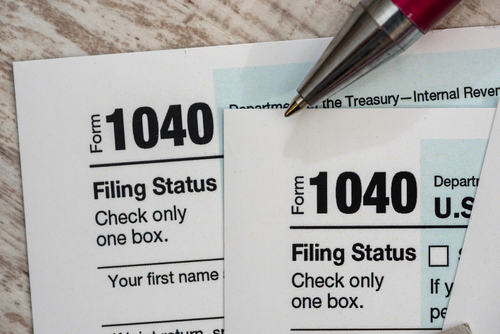 The IRS is currently suffering a severe backlog in processing returns from 2021 for the 2020 tax year. As of Dec. 31, there were still more than 6 million unprocessed individual returns with notices and pending refunds. There are a few things every taxpayer should know that can help them navigate any delays in filing or speeding up the process to make filing this year as smooth as possible.
 If you really want to make impact in your new grad’s life, make an investment in his or her future with a 529 College Savings account. There are two versions: an investment account and a prepaid account. Assuming you are opening an account now and don’t have time for investment growth, you may need to fund it with a significant chunk of money for it to be useful. The savings plan is good for building an investment balance over time, including while the student is in college. On the other hand, the prepaid option is a good way to reinvest a windfall – such as an inheritance or proceeds from the sale of property.
 Consolidated Appropriations Act, 2022 (HR 2471) – This legislation will fund the federal government through September 2022, but also includes a plethora of other bills folded within for the purpose of quick passage by both the House and Senate. Among them is the reauthorization of the Violence Against Women Act and the allocation of $13.6 billion in additional aid to support Ukraine in its conflict against Russia. The bill was signed into law by President Biden on March 15.
 You may or may not have heard of the 50/30/20 budgeting rule, but it’s a good one – one that will help make organizing your finances a lot simpler. The basic idea is to divide up your after-tax income and allocate it to spend this way: 50 percent on your needs, 30 percent on wants and 20 percent on savings. Below are more details on how to do this.
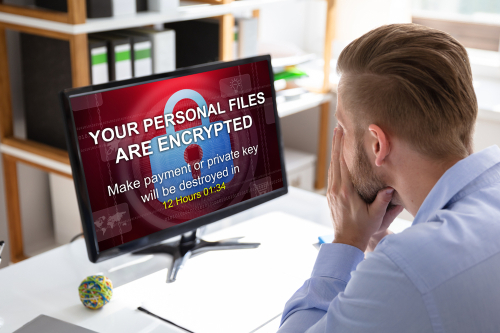 Cybersecurity experts estimate that there is a ransomware attack every 11 seconds. This makes it a challenge to individuals, businesses, and even governments.
 According to the U.S. Chamber of Commerce, the level of usage and data swirling around the internet is expanding at an accelerating pace. The amount of data on the internet globally during 2020 amounted to 3 trillion gigabytes; and 2022’s traffic is expected to increase to 4.5 trillion gigabytes. As a result, the U.S. Chamber of Commerce is concerned about the challenges American companies will have when it comes to business competitiveness.